

tinted glass window price
Understanding Gate Valves in Plumbing Systems Gate valves are crucial components in plumbing systems, providing control over the flow of water in residential, commercial, and industrial applications. Unlike other types of valves, gate valves are designed to be either fully open or fully closed, making them ideal for applications where a straight-line flow of fluid and minimal pressure drop is required. In this article, we will explore the function, advantages, construction, and applications of gate valves in plumbing systems. Function and Operation The primary function of a gate valve is to start or stop the flow of water or other fluids. When the valve handle is turned, the gate—a wedge-shaped metal disc—either rises and allows fluid to pass through or lowers to block it. This straightforward mechanism helps to prevent leaks and maintains a reliable flow. Gate valves are typically operated either manually with a handwheel or automatically with an electric actuator. It's important to note that gate valves are not designed for throttling fluid flow; they should be either fully opened or fully closed to prevent damage to the valve and ensure system integrity. Advantages of Gate Valves Gate valves offer several advantages that make them a popular choice in plumbing systems 1. Minimal Pressure Drop When fully open, gate valves create a straight-through passage which allows for smooth fluid flow with minimal resistance. This characteristic is particularly beneficial in large plumbing systems where maintaining pressure is crucial. 2. Durability Made from materials such as brass, bronze, and stainless steel, gate valves are built to withstand high pressure and temperature conditions, making them long-lasting components in plumbing systems. 3. Space Efficiency Gate valves are compact and do not require a significant amount of space to operate. Their design allows for easy installation and maintenance. 4. Cost-Effectiveness Generally, gate valves are more affordable compared to other types of valves, especially for applications that require infrequent adjustments to the flow. Construction of Gate Valves Gate valves are typically constructed with several key components 1. Body The body of the valve is usually made from durable materials like cast iron or brass, designed to withstand the operating pressures of plumbing systems . gate valve in plumbing 2. Gate The gate itself is the component that opens and closes the flow. It's often wedge-shaped, which allows it to seal tightly against the valve seat. 3. Seat The seat holds the gate in place and ensures a tight seal when the valve is closed. The material of the seat is chosen based on the nature of the fluid being controlled. 4. Stem The stem connects the gate to the valve handle, translating the rotation of the handle into the vertical movement of the gate. 5. Bonnet The bonnet is the part of the valve that houses the stem and provides protection to the interior components. Applications in Plumbing Gate valves are extensively used in various plumbing applications due to their reliability and efficiency. Common applications include 1. Main Water Supply Lines In residential plumbing, gate valves are often used to control the main water supply, allowing homeowners to easily shut off water during repairs or maintenance. 2. Irrigation Systems In agricultural settings, gate valves are used to manage the flow of water in irrigation systems, ensuring precise control over water distribution. 3. Industrial Systems In industrial plumbing, gate valves play a vital role in controlling the flow of fluids in large pipeline systems, helping to maintain safety and efficiency in manufacturing processes. 4. Fire Protection Systems Gate valves are often included in fire sprinkler systems, allowing for rapid activation and deactivation of water flow. Conclusion In summary, gate valves are indispensable tools in plumbing systems that provide reliable and efficient flow control. Their simple yet effective design, combined with their durability and cost-effectiveness, makes them a favored choice for various applications. Whether in residential homes, commercial buildings, or industrial facilities, understanding the function and advantages of gate valves is essential for the maintenance and efficiency of plumbing systems. Proper selection, installation, and maintenance of gate valves can significantly enhance the longevity and performance of any plumbing infrastructure.
about
tinted glass window price
Understanding the 3% and 4% Butterfly Valve An Overview Butterfly valves are essential components in various industrial applications, primarily due to their efficient flow control capabilities and compact design. Among the various specifications available in the market, the 3% and 4% butterfly valves have gained attention for their precise regulation of fluid flow, making them a preferred choice in different sectors such as water treatment, oil and gas, and chemical processing. Understanding the 3% and 4% Butterfly Valve An Overview The 3% butterfly valve is designed for applications requiring a small flow rate control. These valves are ideal for situations where precise adjustments are necessary, such as in systems where the fluid dynamics must be closely monitored. The significant advantage of a 3% opening is that it allows for fine-tuning of flow, making it suitable for applications such as laboratory processes or sensitive chemical reactions where excessive flow could result in adverse outcomes. 3 4 butterfly valve On the other hand, the 4% butterfly valve provides a slightly broader range of flow control. This valve is excellent for medium-sized flow applications, offering a balance between versatility and precision. Industries that rely on the 4% butterfly valve often include those where moderate flow regulation is essential, such as in HVAC systems or larger water distribution networks. The valve's design allows for quick operation, making it a favorite for systems that require the capacity to open and close rapidly in response to fluctuating operational demands. Both the 3% and 4% butterfly valves come with various materials and actuator options, allowing for customization based on specific environmental conditions, such as temperature and pressure. This adaptability enhances their applicability across multiple industries, ensuring durability and reliability in performance. In summary, the choice between a 3% and a 4% butterfly valve largely depends on the specific needs of the application at hand. By understanding the functionalities and advantages of each type, engineers and operators can make informed decisions that enhance the efficiency and safety of their systems. Whether it involves fine-tuning flow rates in sensitive settings or managing moderate flows in larger systems, these butterfly valves play a crucial role in ensuring optimal fluid control across various industrial processes.
-

High quality industrial productsagement

High quality industrial products
View Details -

Meet the diverse needs of customers

Meet the diverse needs of customers
View Details -

Strict quality control

Strict quality control
View Details -

Top raw materials

Top raw materials
View Details -

Trusted supplier

Trusted supplier
View Details
Our application


news and information
Van cổng
Van cổng, hay còn được gọi là van xẻng, là một trong những thiết bị quan trọng trong hệ thống đường
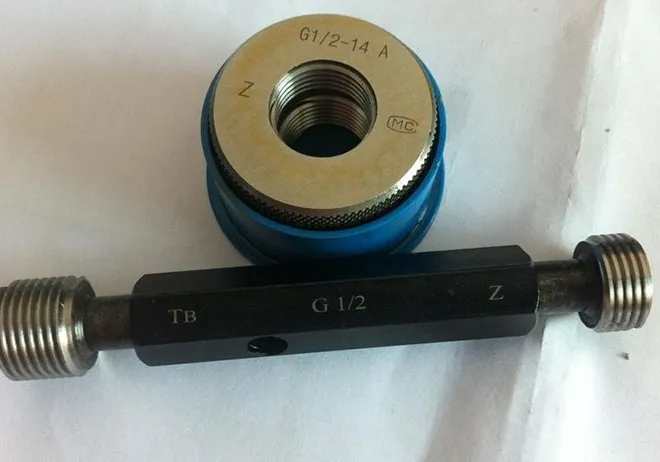
Wear Resistance Strategies for Trapezoidal Threads
Trapezoidal threads are a cornerstone of mechanical systems requiring precise linear motion and load
V-Block Technology Revolutionizing Manufacturing Precision and Efficiency
The Paradox of V Block V Block Navigating the Dual Realities of Virtual and Physical Worlds In the
 English